
Tokyo Grand Tea Ceremony 2026: dates, prices and English sessions
 by Admin
 by Admin
Babylon Radio
Listen nowTokyo Grand Tea Ceremony returns across four days in autumn 2026, with public tea sessions at two historic green spaces. Tickets for every indoor and outdoor tea ceremony are sold only at the venue on the day, so visitors should arrive early and choose their programme before joining the queue.
The first weekend is at the Edo-Tokyo Open Air Architectural Museum in Koganei on 24 and 25 October. The second is at Hama-rikyu Gardens in Chuo City on 31 October and 1 November. Tea ceremonies cost ¥800 and last about 25 minutes. The programme also includes low-cost craft, flower-arranging and family activities.
Dates, venues and opening times
- Edo-Tokyo Open Air Architectural Museum: Saturday 24 and Sunday 25 October 2026, 10:30am to 3:55pm. The museum is offering free admission during the event.
- Hama-rikyu Gardens: Saturday 31 October and Sunday 1 November 2026, 10am to 4:20pm. Normal garden admission is separate from programme fees.
The official event website publishes venue maps and access directions for both locations. Organisers warn that individual programmes may change or be cancelled because of weather or other circumstances, so check the latest notice before travelling.
Best sessions for international residents
People who are new to Japanese tea culture do not need prior knowledge. Each programme is designed to let visitors experience the setting, utensils and service of chanoyu without committing to a formal course.
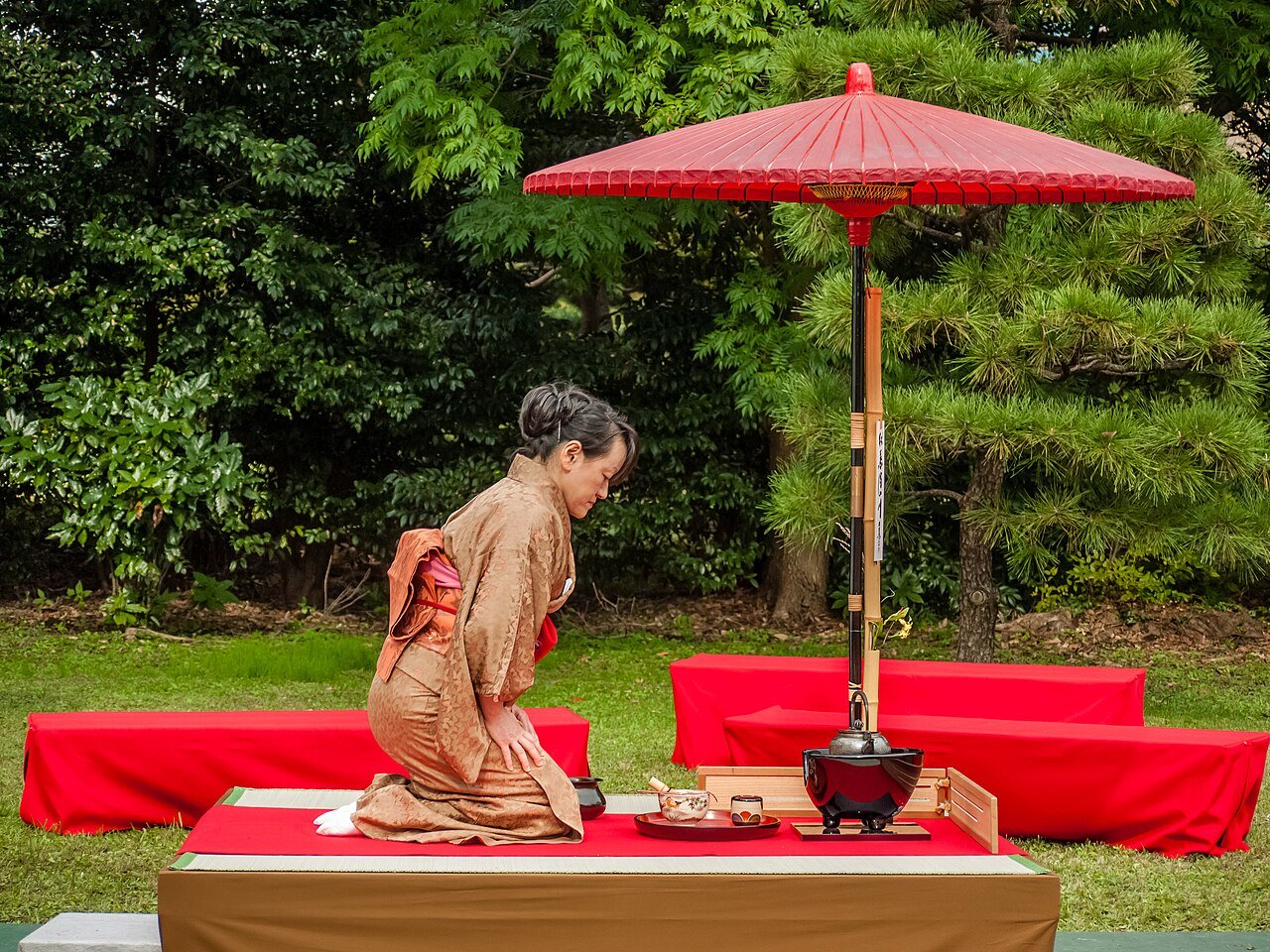
At the Edo-Tokyo museum, an indoor tea ceremony with English interpretation is scheduled alongside the standard sessions. At Hama-rikyu, the outdoor nodate programme includes English-language sessions. These are the clearest choices for visitors who want spoken guidance, but places are limited and all tickets are sold on the day.
The Edo-Tokyo weekend also offers a family tea ceremony for junior-high-school-aged children and younger, accompanied by a guardian. This costs ¥500 and lasts about 25 minutes. It is a useful option for international families who want a shorter, child-focused introduction.
Tickets, prices and payment
There is no advance application and no lottery in 2026. Buy tickets from the relevant desk after you arrive. Indoor and outdoor tea ceremonies are ¥800 per person. The family tea ceremony is ¥500.
Tea tickets can be paid for with cash or supported transport IC and electronic-money services. Credit cards are not accepted. Separate activities may have their own payment rules: the tsumami zaiku craft workshop costs ¥500 and is cash-only.
Because same-day capacity is finite, anyone travelling for a particular English-language or accessible session should arrive with time to find the ticket desk and confirm the current schedule.
Crafts, flowers and accessible sessions
Both venues include a tsumami zaiku activity, in which participants make a small decorative work using folded fabric. Hama-rikyu also offers a ¥500 ikebana experience with English interpretation or English guide material, depending on the session.
Selected programmes include Japanese Sign Language interpretation. The organisers reserve two priority seats in each identified session for holders of a Disability Certificate. Visitors using those priority places should bring the certificate, but the event does not otherwise require one to attend.
Before you go
Choose your venue by programme as well as location. Edo-Tokyo is the stronger option for families and anyone interested in traditional architecture. Hama-rikyu combines an outdoor tea experience with one of central Tokyo’s best-known landscaped gardens and includes dedicated English nodate sessions.
Wear shoes that are easy to manage, allow time for entry and ticket queues, and carry some cash even if you normally use an IC card. For the final timetable, access information and any weather changes, consult the official Tokyo Grand Tea Ceremony website. The GO TOKYO event page gives a concise overview of both venues.
Image credit
Featured image: a nodate tea ceremony at Hama-rikyu Gardens in Tokyo, photographed by Reinhold Möller (Ermell) on 17 October 2009. Used under CC BY-SA 4.0 via Wikimedia Commons. The photograph is an archive view of the venue, not a photograph of the 2026 event.