
Japan’s care worker visa cap would rise by 20,000 under a proposal
 by
Babylon Radio
Listen nowJapan’s Specified Skilled Worker quota for care would rise by 20,000 places under a proposal presented to an Immigration Services Agency expert panel. Government officials told the panel at the Justice Ministry on Monday 19 October 2026 that demand from foreign care workers is “significantly higher than initially expected”, The Mainichi reported.
If you work in elderly care in Japan, are training for the care skills and Japanese tests abroad, or run or invest in a care business, this matters to you.
What is changing?
The current cap for care workers with Specified Skilled Worker (i) status is 126,900 for the planning period that runs to the end of March 2029. Under the proposal, it would rise by 20,000, to 146,900 by Babylon’s calculation, if adopted, according to the Mainichi.
The extra places would not be new. If the proposal is adopted, they would move across from the 33,800 care places set aside for the new Employment for Skill Development system, which replaces the Technical Intern Training Programme from April 2027. The overall care cap of 160,700 would stay the same.
Why now?
About 80,000 people were living in Japan with Specified Skilled Worker (i) status in care at the end of July 2026, according to preliminary figures reported by the Mainichi (Japanese original). The government said that number “could exceed the expected acceptance figure, or cap, in the second half of fiscal 2027”, the Mainichi reported. The proposal was tabled under the meeting’s agenda item on reallocating care acceptance figures between the two systems (meeting papers). If the cap were reached, new acceptances would stop, as has already happened in food service, and officials said care facilities would struggle to function.
What else was proposed?
Officials also proposed that foreign construction workers under both the Specified Skilled Worker and Employment for Skill Development systems would be allowed to do snow removal in heavy-snow areas, if adopted. According to the meeting papers, as reported by Kensetsu Engine PLUS, this would be a related duty in the civil engineering and building categories, it is still under detailed review, and these workers cannot do snow removal yet.
The government of Prime Minister Sanae Takaichi plans to keep the overall cap of 1.23 million across the two systems, as decided by the Cabinet in January 2026.
What it means for you
- Care workers already in Japan: if adopted, the change would lower the risk that new Specified Skilled Worker (i) care applications are frozen before March 2029.
- Applicants abroad: if adopted, more room in the Specified Skilled Worker route, but fewer places in the Employment for Skill Development route when it starts in April 2027.
- Employers and investors in care: if adopted, recruitment through Specified Skilled Worker (i) would look more secure, though critics warn that repeated reshuffling could undermine confidence in the plan.
Is it final?
Not yet. This was a proposal presented to an expert panel. Babylon will update this story when the Immigration Services Agency publishes the revised figures. For current rules, check the Immigration Services Agency’s Specified Skilled Worker pages.
Masayuki Saito, chair of the Japan Federation of Kaigo Business Providers, told the Mainichi (Japanese original) that shifting numbers showed the original estimate was off, and called for a plan that better reflects conditions on the ground.
Sources
- The Mainichi: Japan to shift 20,000 skilled visa slots to foreign caregiver program amid surging demand (20 October 2026)
- Mainichi Shimbun (Japanese original, via Yahoo! News Japan, 19 October 2026)
- Immigration Services Agency: 15th expert panel meeting, 19 October 2026 (agenda and papers)
- Kensetsu Engine PLUS: snow removal proposal for construction workers (20 October 2026)
- Immigration Services Agency of Japan: Specified Skilled Worker
Sources last checked: Tuesday 20 October 2026.
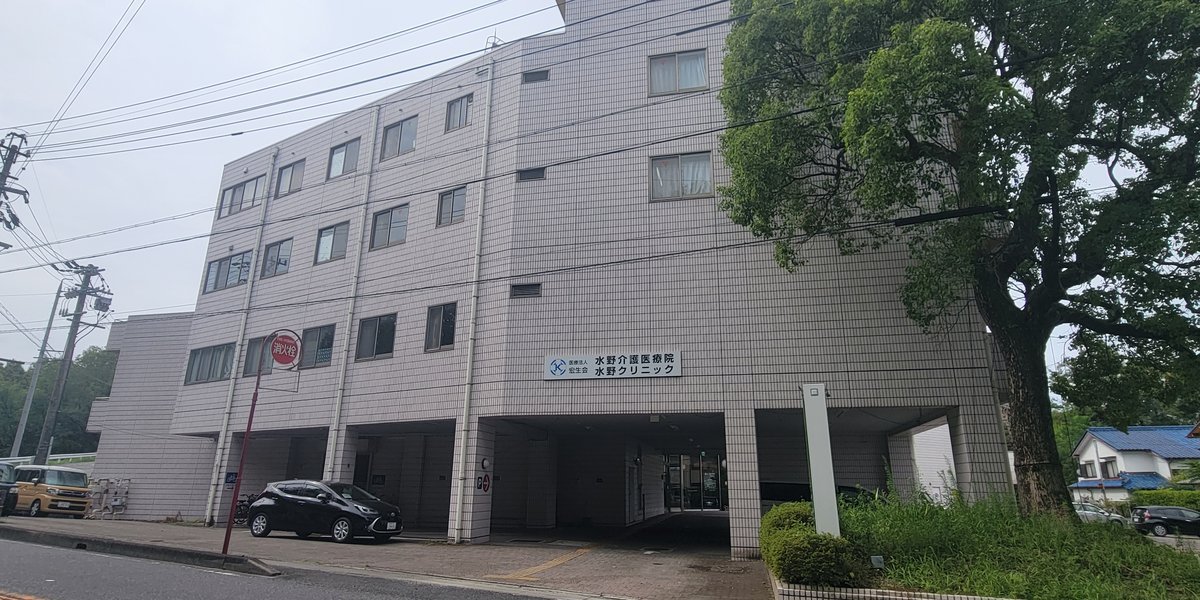
Featured image: Mizuno nursing and medical care facility, Japan, August 2026 (illustrative, not linked to the announcement). Photo by B.Wisp, dedicated to the public domain under CC0 via Wikimedia Commons, cropped.