
Ireland–Britain ferry passport rules: what changed
 by Admin
 by Admin
Babylon Radio
Listen nowPassengers using the main ferry routes between the Republic of Ireland and Britain now need to carry a passport. The new operator rules took effect on 28 September 2026 and apply even to Irish and British citizens on the affected sailings.
Irish Ferries accepts a valid passport or Irish passport card on its Dublin–Holyhead and Rosslare–Pembroke routes. Stena Line says passengers travelling through Dublin, Holyhead, Rosslare or Fishguard must present a valid passport at check-in.
The boarding-document rule is separate from visa and UK Electronic Travel Authorisation requirements. Your nationality, immigration status and direction of travel still determine whether you need a visa or ETA.
Which Ireland–Britain ferry routes require passports?
Irish Ferries says driving licences, national identity cards and other photographic identification are no longer accepted on the two affected routes. Stena Line’s route alert also requires a valid passport at check-in for passengers travelling through Dublin, Holyhead, Rosslare or Fishguard.
The requirement applies to adults, children and infants. Booking details such as names, dates of birth, gender and nationality should match the travel document shown at check-in.
Is the passport rule the same as an ETA?
No. A passport proves identity and nationality. An ETA is a digital permission to travel to the UK for eligible visitors who do not need a visa.
British and Irish citizens do not need an ETA. People who already have permission to live, work or study in the UK, including settled or pre-settled status, also do not need one.
There is a further exemption for some people who legally live in Ireland. A traveller from a nationality that would normally require an ETA does not need one when entering the UK from Ireland, provided the traveller lives in Ireland and can show evidence of that residence. This exemption does not replace a UK visa where the traveller’s nationality requires one.
Other visitors, including many citizens of EU countries, the United States, Canada and Australia, usually need either an ETA or a visa for a short visit to Britain. Travellers should use the official UK government checker before booking.
What should passengers do before travelling?
- Check that every passenger, including each child and infant, has the document required by the ferry operator.
- Make sure the booking name and personal details match the passport or Irish passport card exactly.
- Check the document’s expiry date and any destination-specific validity rules.
- Use the official UK government service to confirm whether an ETA or visa is required.
- If relying on the Irish-resident ETA exemption, carry evidence of legal residence in Ireland.
- Check the ferry operator’s guidance again shortly before departure because boarding rules can change.
Why did the ferry operators change their ID rules?
Irish Ferries says the change supports UK Border Force requirements for accurate passenger data before boarding. Stena Line likewise says carriers must provide accurate passenger information to government authorities.
The change does not end the Common Travel Area between Ireland and the UK. Irish and British citizens retain their Common Travel Area rights, but ferry companies can impose document checks as a condition of boarding.
Official information
- Irish Ferries: passport and ETA requirements
- Stena Line: identification for Britain–Ireland travel
- UK government ETA checker
- UK government ETA exemptions
Information checked on 2 October 2026. Entry requirements depend on nationality and immigration status, so travellers should confirm their own position with the relevant government before departure.
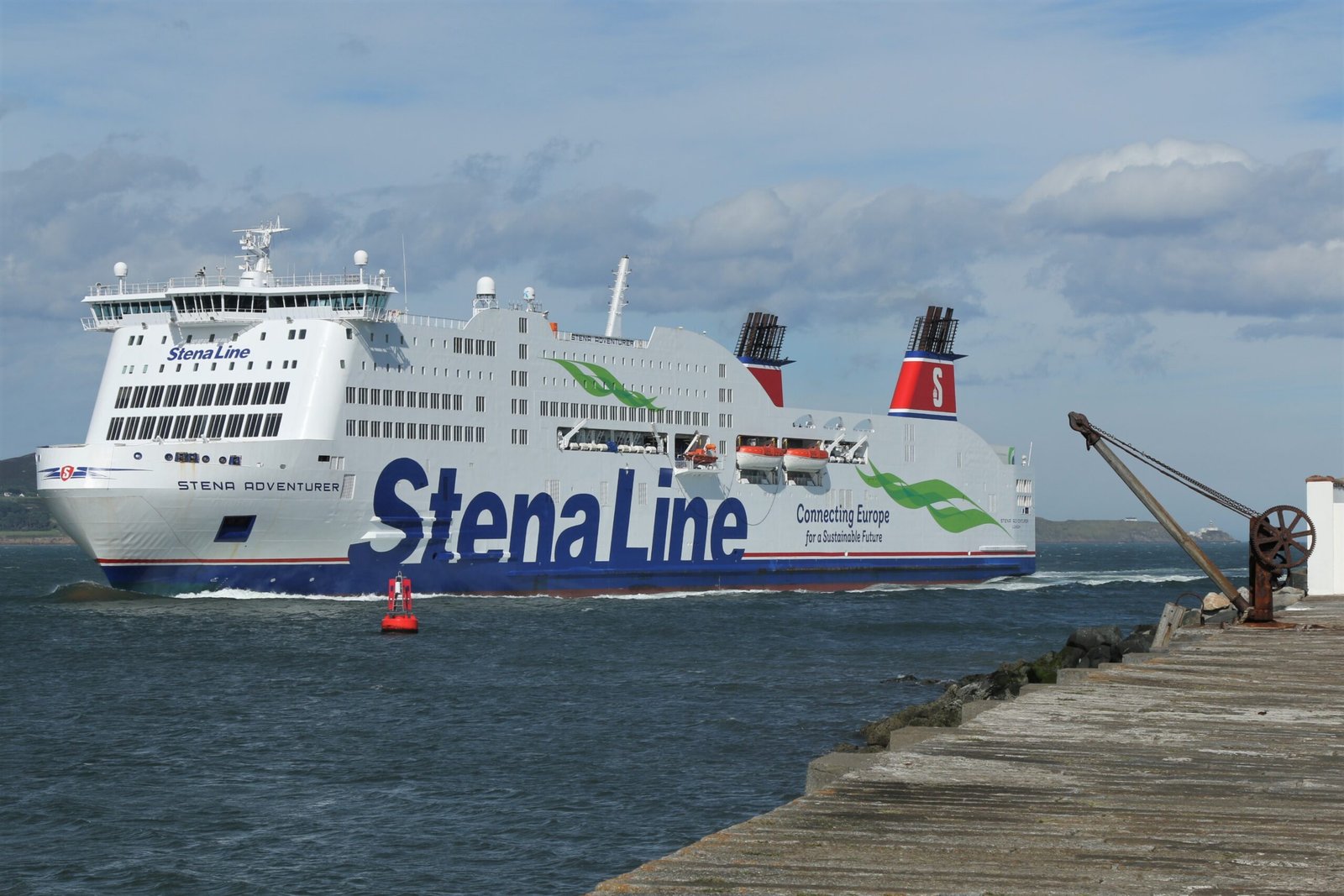
Featured image: Stena Adventurer on the Holyhead–Dublin sailing, photographed by Cityswift – Ireland (Kevin Horgan), 4 August 2020. Wikimedia Commons, CC BY 2.0. Archive photograph; image resized by WordPress.