
If You Haven’t Got a Ha’ Penny…- The History of the Ha’ Penny Bridge
 by Jenny Bui
 by Jenny Bui
Babylon Radio
Listen nowSummary is not available for this article.
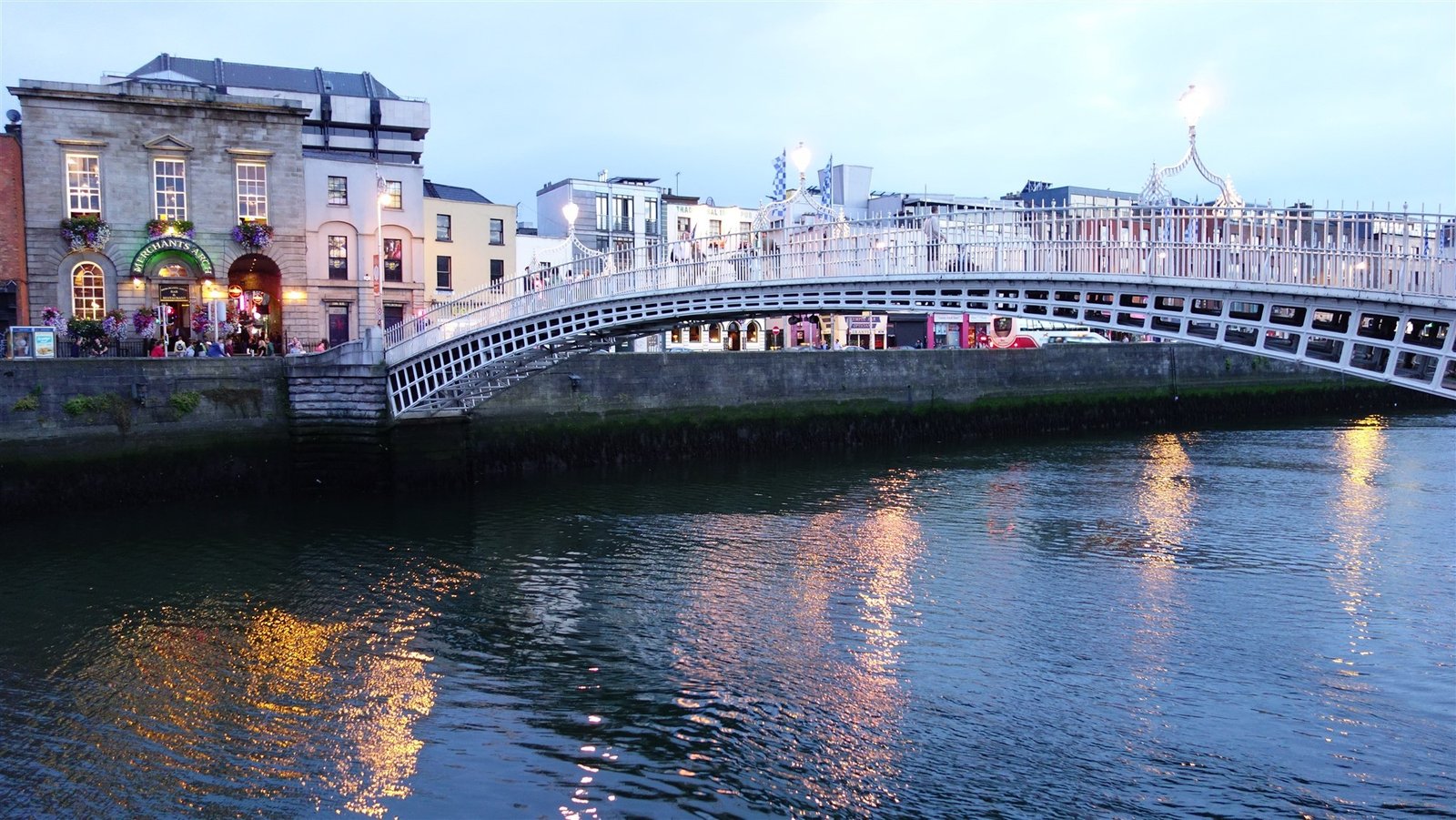
Dublin’s most iconic bridge is known as the Ha’ Penny Bridge to both locals and visitors, however, this was never the official name of the bridge. Originally, it was named Wellington Bridge – in honour of the Duke of Wellington who defeated Napoleon at the famous battle of Waterloo. The iconic bridge opened on May 19th 1816 and citizens were allowed to cross it for free during the first 10 days. After that, it became a toll bridge and a halfpenny was charged for using it until 1919.
People were still calling it Ha’ Penny Bridge when it was renamed Liffey Bridge in 1922, after the river it spans across. Before the construction of the bridge, people were using the ferry service of an alderman, William Walsh, to get to the other side of the river on this particular river stretch. The toll bridge, which replaced the leaky boats, proved to be quite a lucrative business. With an average of 450 people crossing it each day, it would yield up to £329 per year. Today, about 30,000 people use it every day.
Walsh later received an additional £3,000 for eliminating his ferry service. Walsh charged the same amount for pedestrians crossing the bridge that he used to charge for his ferry service. When shrewd Dubliners tried to avoid an additional toll for their horses, arguing that horses were not pedestrians and hence should not be charged, obstacles had to be placed on the bridge to stop them from taking their horses across.
Today, the Ha’ Penny bridge is considered the jewel of the city and was featured in many films and television dramas but this had not always been the case. In fact, the cast-iron bridge was considered ugly by some members of the city council who considered demolishing it . Only the destructions caused by the Easter Rising in 1916 in the centre of the city diverted the council’s attention.
By the 1990, the bridge was in a poor state. The deck and the railings showed clear signs of corrosion. The bridge was then closed in 2001 to undergo extended renovation and was reopened in December of the same year.