
Mary Magdalene in Frankfurt: looking beyond a familiar image
 by
Babylon Radio
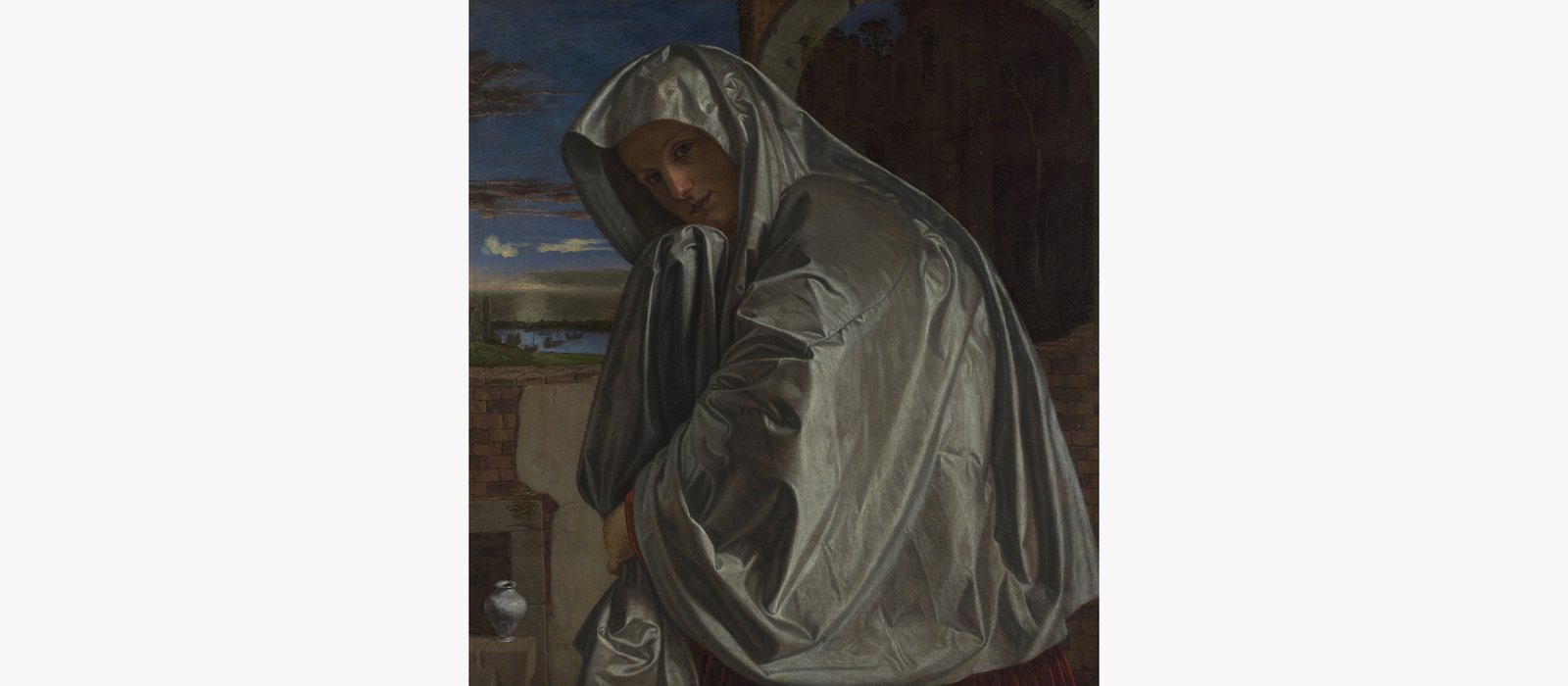
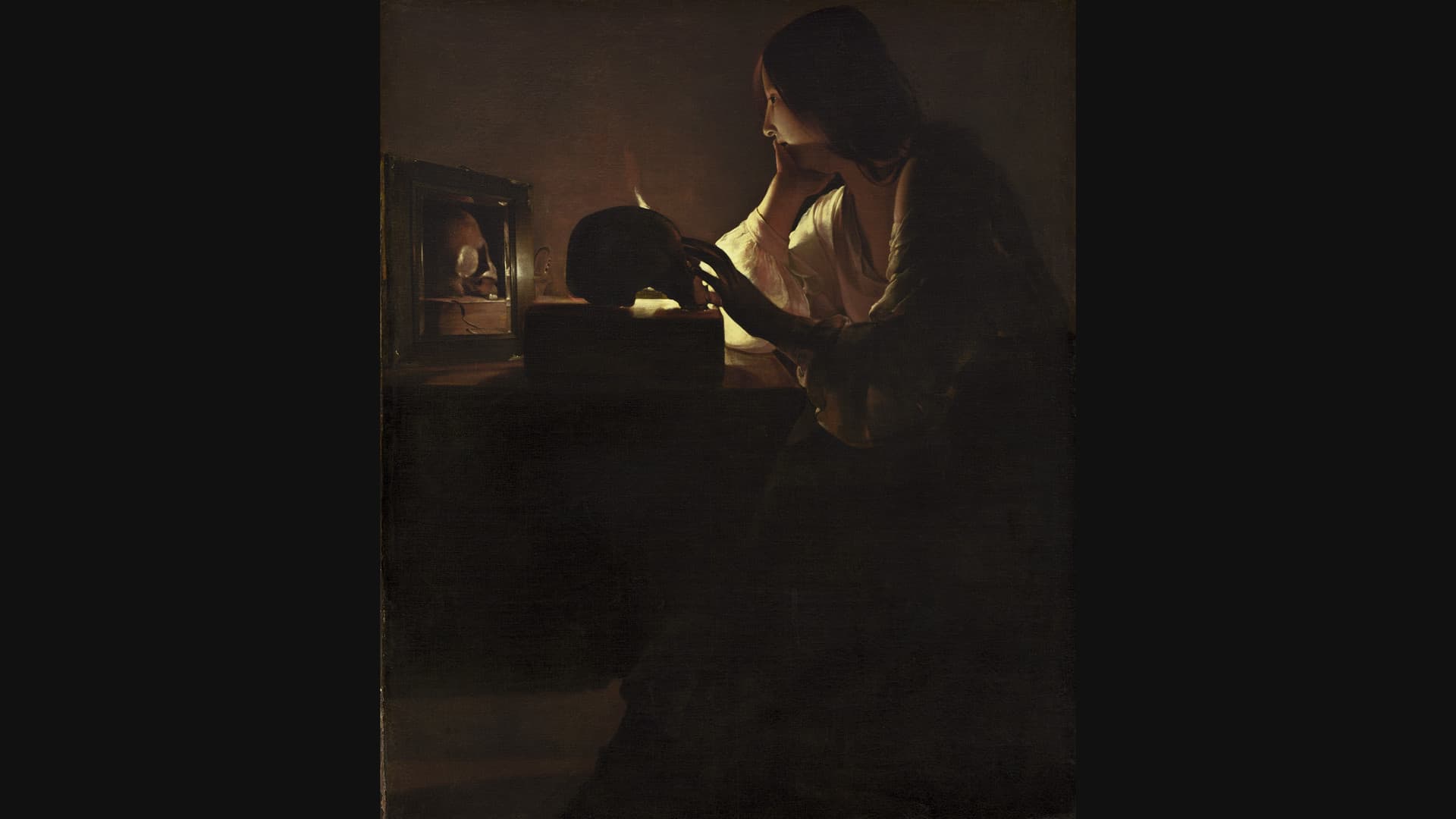
Listen nowA silver cloak catches the light; a face turns towards us from its folds. Elsewhere, a woman sits beside a skull and a small, concealed flame. These are two very different ways of picturing Mary Magdalene, and a good starting point for a winter visit to Frankfurt’s Städel Museum. Its exhibition Mary Magdalene. Sin. Pray. Love., running until 17 January 2027, invites visitors to look beyond a single, familiar version of the biblical figure.
One figure, many interpretations
Organised with the Liebieghaus Skulpturensammlung but presented at the Städel, the exhibition brings together more than 100 paintings, sculptures and prints from the Middle Ages to the present. Its subject is also the changing representation of women: how artists have connected a body, a gesture or a facial expression with ideas about faith and social roles.
Women artists are part of that story, rather than simply its subjects. The exhibition includes work by Lavinia Fontana, Elisabetta Sirani, Luisa Roldán, Lotte Laserstein and contemporary artists including Kiki Smith and Marlene Dumas. That breadth offers a reason to compare images rather than search for one definitive likeness. Who appears to have agency? Who is watched, and who looks back? Those questions can make a religious art exhibition engaging without requiring specialist knowledge or a particular belief.
Follow the light in Savoldo
Giovanni Girolamo Savoldo’s Mary Magdalene, painted around 1535–40, is on loan from London’s National Gallery. Its most immediately striking feature is the silver-grey satin that almost envelops the figure. Look at how the folds carry light down the canvas, then return to the small area left open around her face.
The National Gallery identifies the distant setting as a Venetian lagoon at dawn. A little ointment jar provides a clue to the woman’s identity. The scene has been interpreted both as her visit to Christ’s tomb and as an encounter with the risen Christ; the precise moment is not settled. That uncertainty is useful when looking: the painting does not become less interesting because its narrative resists a neat answer.
Try following the diagonal of her head against the broad sweep of fabric. The contrast between that intimate glance and the surrounding architecture makes the image feel both close and strangely withheld. It rewards a second look after the label has been read.
A quieter encounter with La Tour
Georges de La Tour’s The Repentant Magdalen, dating from about 1635–40, creates a different kind of attention. The National Gallery of Art’s painting places a seated woman in profile beside a skull, a book and a mirror. The candle is largely hidden, but its light catches her face, sleeve and hand.
The Washington museum explains the skull and mirror through ideas of mortality and transience. Look, too, at the empty darkness around the figure. Rather than filling every part of the canvas with action, La Tour allows a few objects and a restrained gesture to hold the composition together.
- For a separate perspective on how museums interpret collections, read Babylon’s 2021 archive on restitution and repatriation.
Comparing this painting with Savoldo’s turns looking into an active exercise. One picture draws attention through shimmering cloth and a direct glance; the other relies on stillness and concentrated light. Neither needs to be reduced to an illustration of a single label.
Plan a winter museum visit
The Städel is at Schaumainkai 63. Regular admission is €19, with eligible reduced admission at €17; Tuesday visits between 15:00 and 18:00 cost €10. Tickets include the permanent collection and special exhibitions. Check the museum’s current ticket information before choosing a slot.
- For wider seasonal context, explore Babylon’s guide to Germany’s holidays and cultural events.
The museum normally opens at 10:00, closing at 18:00 except on Thursdays, when it stays open until 21:00; Mondays are closed. Christmas Eve and New Year’s Eve are also closed; on 1 January, opening is at 11:00. The free exhibition audio guide is available in English and German. Allow space in the visit to put it aside occasionally and spend time with a painting on your own terms.
Giovanni Girolamo Savoldo, Mary Magdalene, about 1535–40, National Gallery, London, via Wikimedia Commons, public domain; on loan to the Frankfurt exhibition. Georges de La Tour, The Repentant Magdalen, circa 1635–40, National Gallery of Art, Washington, Ailsa Mellon Bruce Fund, CC0. Both works are shown in full and letterboxed for display.