
Dubai shared-housing rules: permits, space and tenant rights
 by
by 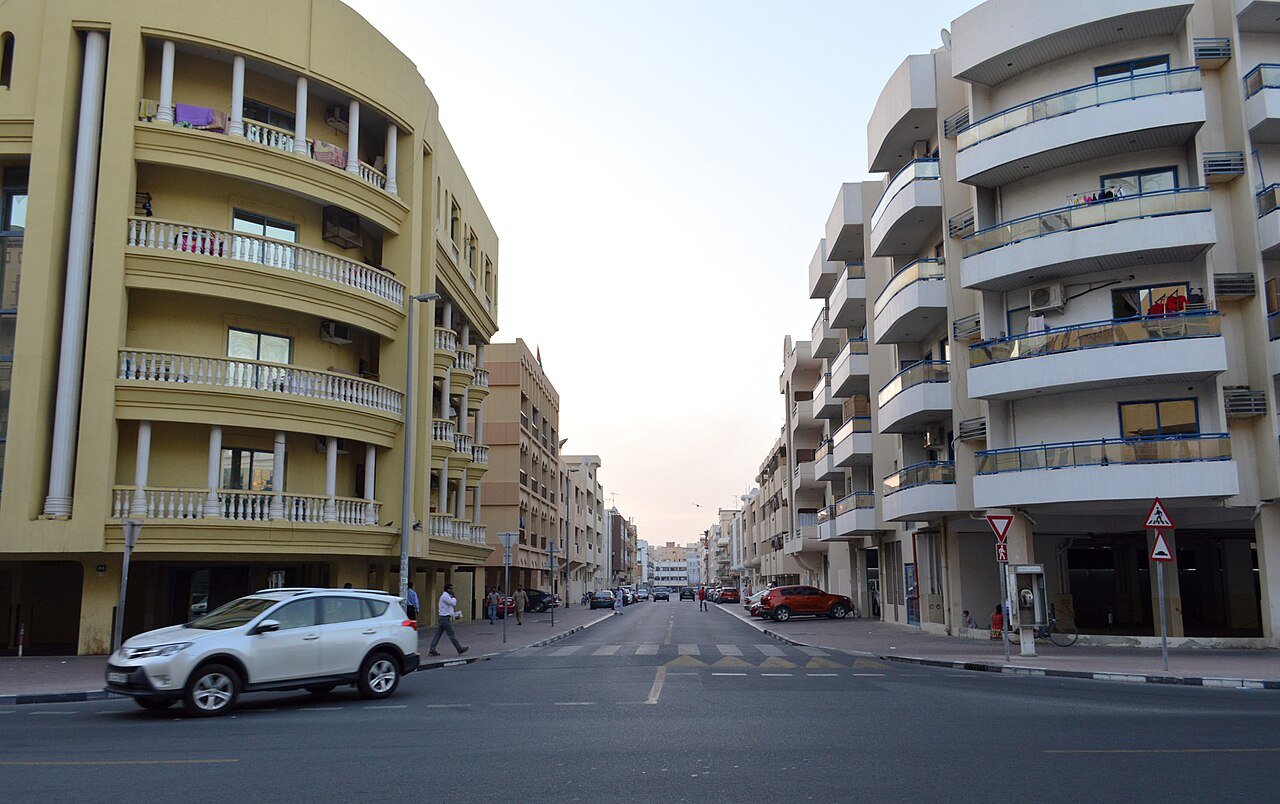
Babylon Radio
Listen nowDubai’s shared-housing guide sets rules on permits, bedroom space and safety for people renting rooms or shared homes. On 7 October 2026, Dubai Municipality said it had approved more than 44 areas for this type of housing.
Existing owners and operators generally have one year from 8 September 2026 to meet the new rules. That period does not let them delay fixing unsafe conditions or building violations.
The rules affect both tenants and landlords. They set how rooms can be let and how much space each person needs. They also set rules for shared rooms, services and checks on the property.
What changed on 7 October 2026?
Dubai Municipality issued the Planning and Building Requirements Guide for Shared Housing and Permitted Areas on 7 October. The guide implements Dubai Law No. 4 of 2026, which took effect on 8 September 2026.
The 7 October announcement named Al Souq Al Kabeer, Al Ras, Al Warqa 1, Al Barsha 1, Al Muraqqabat and Al Rigga as examples. These six areas are not the full list. Check the latest approved areas with the Municipality before signing.
A home in an approved area still needs a permit to be used for shared housing. Ask to see that permit before you sign.
What are the minimum space and facility rules?
- Bedroom space: At least 5 square metres per person
- Building category: Each existing building must be allocated to either individual accommodation or family accommodation
- Family accommodation: Each family must have a separate bedroom with an en-suite bathroom
- Shared facilities: Kitchens, sanitary facilities and designated areas for dining, recreation, laundry and clothes drying, based on the type of accommodation and number of occupants
- Safety checks: Fire alarm and firefighting requirements from Dubai Civil Defence, plus applicable SIRA CCTV requirements
The rules cover new shared-housing buildings. They also cover existing buildings changed for that use in approved areas. Collective labour accommodation is excluded. It has its own rules.
Who needs the permit?
A building or villa needs a permit before it is used for shared housing. Owners can apply or renew through Build in Dubai, the Municipality says.
Only the owner or a firm with the right approval can let shared housing. Tenants cannot rent their room or space to someone else. The law requires leases and management contracts to go on a shared-housing register at Dubai Land Department. Article 17 also protects tenants who act in good faith. They can still enforce their lease if the landlord has not put it on the register.
Before signing, ask the landlord or manager for the permit number. Check that the lease lists the property, your space and the agreed rent. Ads for shared housing must show the approved firm’s trade name and permit number.
When is the compliance deadline?
Owners and firms already running shared homes when the law took effect have one year to meet its rules. That period runs from 8 September 2026. Article 37 allows Dubai Municipality’s director general to extend that period once if needed.
The grace period does not excuse unsafe homes, building breaches or a change of use without approval. Dubai Municipality says owners must fix these problems under the relevant rules. They cannot wait for the one-year period to end.
Could tenants be forced to leave?
The law does not require everyone in existing shared housing to leave now. It gives owners and operators a process to bring qualifying properties into line with the rules.
Authorities can cancel a permit. They can also ask an execution judge to order residents to leave a home that breaches permit terms. If a firm is suspended or loses its permit, residents have the right to stay for a set period. The body in charge decides how long. It must give them enough time to move elsewhere. The law does not set one fixed moving period for every case.
What penalties can apply?
Law No. 4 of 2026 provides fines from AED500 to AED500,000. A repeat of the same violation within one year can double the fine, up to AED1 million.
Officials may also halt the activity or cancel the permit. They can cut public services until a breach is fixed or block property dealings and contract registration. They may seek a court order to clear the home. The response depends on the breach and the decision of the body in charge.
What should a shared-housing tenant check?
- Ask for the property’s shared-housing permit number.
- Check that the unit is in an approved area. Do not rely only on the six areas named in early announcements.
- Make sure the contract clearly identifies your allocated space, rent and shared facilities.
- Check that the contract will be registered through the proper system.
- Look for unauthorised partitions, blocked exits or overcrowding.
- Confirm that the bedroom provides at least 5 square metres per occupant.
- Ask who manages repairs, fire-safety systems and emergency contacts.
- Do not sublet your room or allocated space.
Frequently asked questions
Is room sharing now legal everywhere in Dubai?
No. Shared housing is limited to approved areas and requires the relevant permit. The 7 October announcement reported more than 44 approved areas. Check the full current list through the official system.
Does every tenant need 5 square metres?
The guide requires at least 5 square metres of bedroom space per person. There are also rules on shared facilities and how many people can live there.
Are all current tenants protected until September 2027?
No blanket protection is stated. The one-year period helps existing owners and operators meet the rules, but serious safety issues and unauthorised building changes must be dealt with immediately. The responsible authority sets the time allowed to move after an operator is suspended or a permit is cancelled.
Related reading
- Dubai Neighborhoods: Living & Area Guide
- Dubai Renting Guide: Lease Agreements, Regulations, and Tenant Rights for Expats
Official sources
- Emirates News Agency: Dubai Municipality issues the shared-housing guide, 7 October 2026
- Dubai Legislation Portal: Law No. 4 of 2026
Information checked against official sources on 18 October 2026. This is general information, not legal advice.
Featured image: archive view of a residential neighbourhood in Bur Dubai, photographed by Francisco Anzola in 2016. Licensed under CC BY 3.0 via Wikimedia Commons. Resized for the website. This archive image does not show a 2026 inspection or enforcement action.