
Daitokuji in Tokyo: Zen treasures and ZEN NIGHT garden evenings until 6 December
 by
Babylon Radio
Listen nowDaitokuji, one of Kyoto’s great Zen temples, is marking 700 years since its founding with its first exhibition in Tokyo, and the first time in 41 years that its treasures have been gathered in one show. Daitokuji: A Zen Temple Beyond Compare is at the Heiseikan of Tokyo National Museum in Ueno until Sunday 6 December 2026.
After dark, the museum’s garden, normally shut at 5pm, opens for ZEN NIGHT TOKYO: lit autumn leaves, historic teahouses and slow, gentle sound. This is a preview guide based on the organisers’ published information, not a first-hand review.
Why is Daitokuji such a big deal?
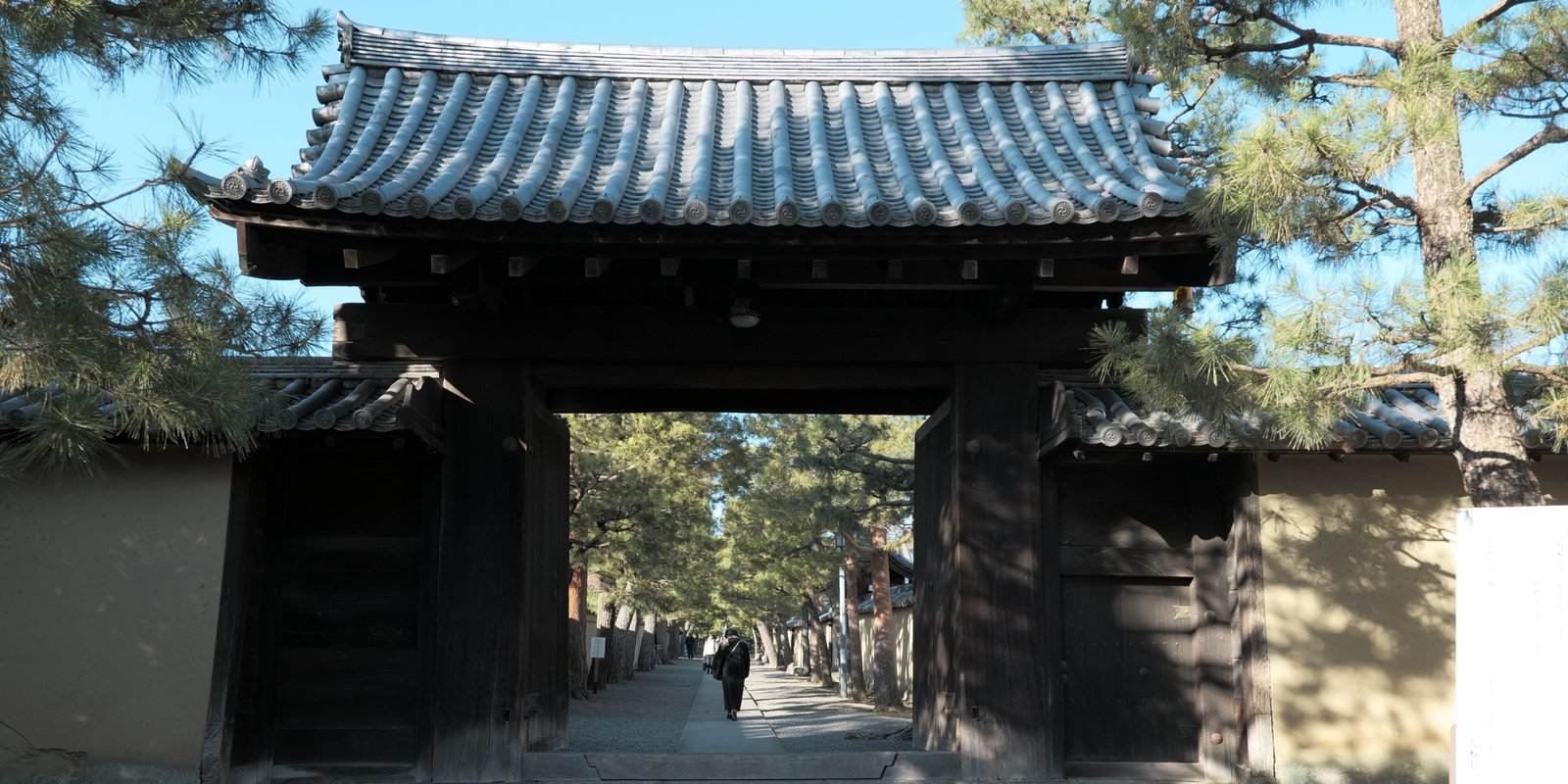
Daitokuji stands in Murasakino, in the north of Kyoto. Founded in 1326 by the Zen master Shūhō Myōchō, it drew emperors, warlords and tea masters, Sen no Rikyū among them. Emperor Go-Daigo praised it as a Zen temple beyond compare, which gives the show its English title. Across the full run, the organisers list 14 National Treasures and 69 Important Cultural Properties, many rarely shown in public.
What can you still see before it closes?
Almost everything changed over on 10 November, so some headline loans, such as Muqi’s National Treasure Kannon, Monkeys and Cranes, have already gone. Second-term highlights include:
- Dragon and Tiger, a pair of hanging scrolls attributed to the Chinese painter Muqi and dated 1269
- Kanō Eitoku’s portrait of the warlord Oda Nobunaga, whose funeral was held at Daitokuji
- the National Treasure tea bowl known as Kizaemon Ido, made in Korea in the 16th century and lent by the sub-temple Kohō-an
- Night Parade of One Hundred Demons, a 15th-century handscroll of yokai attributed to Tosa Mitsunobu, with the visible section changing during the run.
The moment many visitors will remember is the recreated interior of the Sanmon, the temple’s main gate, which is normally closed to the public. Its principal Buddha statue and a statue of Sen no Rikyū from the gate are on public display for the first time. Some works rotate weekly, so check the official list of works before you go.
- For the stories behind the demons on that scroll, read Babylon’s guide to the Japanese folklore behind Studio Ghibli films.
What is ZEN NIGHT TOKYO like?
Think of it as an evening stroll rather than a show. Five historic teahouses sit around the garden’s central pond, once part of Kan’ei-ji temple. The organisers describe lit autumn leaves and mist drifting across the Suigetsu-ike pond, with Neuro Music, sound created by the neurotech start-up VIE, playing along the paths. Behind the pond, a path glows with 3,000 red spider lilies, a nod to the yokai of Japanese folklore.
For something warm, Momiji Chaya beside the pond serves matcha, matcha lattes and chestnut anmitsu from Anmitsu Mihashi, a long-established Ueno sweets shop. On Fridays and Saturdays, TOHAKU CHAKAN serves evening meals, sweets and tea in the historic Ōkyokan building.
The monk-led zazen sessions and the Brainwave Zazen experience were listed as sold out when we checked, so plan your evening around the garden itself.
- Living in Japan or planning a longer stay? Find more events and guides on Babylon Japan.
When is it open?
- exhibition: 9.30am to 5pm, and until 8pm on Fridays and Saturdays
- ZEN NIGHT TOKYO: 5.30pm to 7.30pm, and until 9pm on Fridays and Saturdays
- last entry: 30 minutes before closing for both.
Both are open every day from Friday 27 November to Sunday 6 December. On Monday 30 November the special exhibition and the evening garden are open, but the museum’s regular collection galleries are closed. The remaining late evenings are 27 and 28 November and 4 and 5 December.
Expect queues at weekends and in the final days. Same-day exhibition tickets are sold online until 4.30pm on 6 December.
How much are tickets?
Exhibition tickets cost ¥2,300 for adults, ¥1,300 for university students and ¥900 for high school students, with no service fee on the official e-tix ticket page. Junior high school age and under go free, as do visitors with a disability and one companion, on showing ID. Your ticket also covers the museum’s collection galleries on the same day, except on Monday 30 November, when the regular collection galleries are closed.
Online tickets are a QR code on your phone or a printout. Card payments need 3D Secure 2, and there are no refunds.
For the evening, the ZEN NIGHT and exhibition set ticket costs ¥4,200 for adults, ¥3,200 for university students and ¥2,800 for high school students. A ZEN NIGHT-only ticket is ¥2,500, or ¥1,900 if you show a Daitokuji exhibition ticket (a used stub is fine). On Fridays and Saturdays, ZEN NIGHT-only entry starts at 8pm. Junior high school students and younger, and one caregiver accompanying a person with a disability, go free. Buy through the ZEN NIGHT ticket page, which lists the official store and partner sellers.
Our tip: on a Friday or Saturday, the set ticket lets you see the exhibition until 8pm, then walk straight out into the garden until 9pm.
How do I get there, and is it accessible?
Tokyo National Museum is at 13-9 Ueno Park, Taito-ku. According to the museum’s visitor information, it is a ten-minute walk from JR Ueno or Uguisudani station, and about 15 minutes on foot from Ueno on the Ginza and Hibiya lines, Nezu on the Chiyoda line or Keisei Ueno.
Wheelchairs can be used in the garden, but some areas are sloped, so the organisers recommend coming with a caregiver, and wheelchairs cannot go inside the teahouses. ZEN NIGHT goes ahead in light rain, with severe-weather updates posted on its website.
- If the exhibition leaves you wanting to see Daitokuji for yourself, read Babylon’s guide to trains in Japan before booking the Shinkansen to Kyoto.
Official sources
- Daitokuji: A Zen Temple Beyond Compare, official exhibition site (Japanese)
- Official list of works (English PDF)
- e-tix: official exhibition tickets, hours and visitor notes
- ZEN NIGHT TOKYO: official programme, hours and prices
- ZEN NIGHT TOKYO: ticket sellers
- Tokyo National Museum: getting here, admission and hours
Sources last checked: Friday 27 November 2026.
Featured image: a gate at Daitokuji in Kyoto, photographed by Hyppolyte de Saint-Rambert on 14 January 2024. It shows the temple in Kyoto, not the Tokyo exhibition. Licensed under CC BY 4.0 via Wikimedia Commons. Cropped to 2:1.