
Belgium plans higher winter heating support: who can apply for help now?
 by
Babylon Radio
Listen now
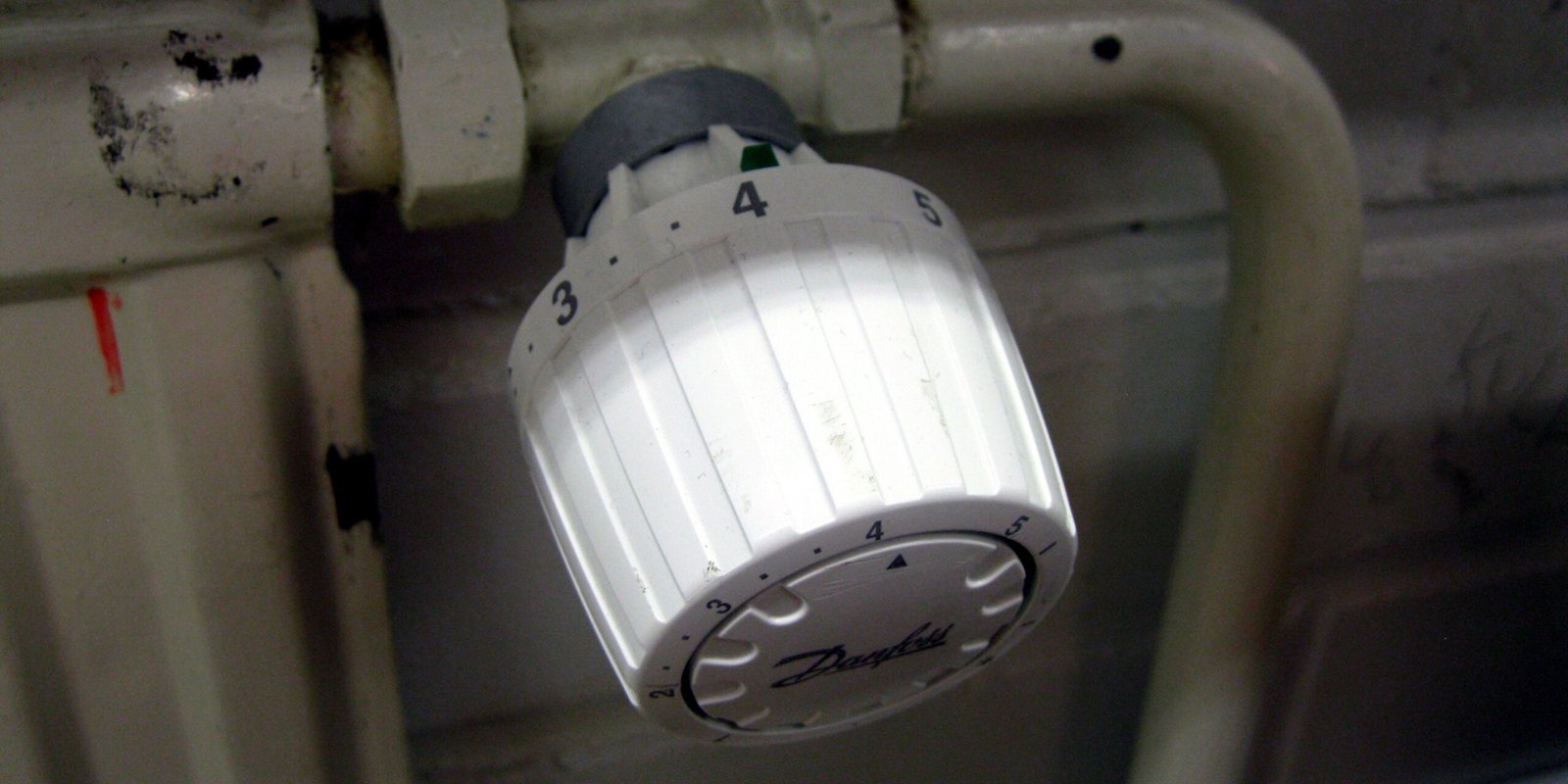
Photo: Santeri Viinamäki / Wikimedia Commons, CC BY-SA 4.0 (source, licence). Cropped to 2:1 from the original. Illustrative.
Belgium is preparing a temporary increase in heating support for eligible households, but the higher payment is not yet a final entitlement. The federal cabinet approved a draft royal decree on 23 October 2026 and sent it to the Council of State for its opinion.
The proposal concerns eligible bulk fuel deliveries between 1 December 2026 and 28 February 2027. For anyone struggling to pay a heating bill now, the practical starting point remains the local public social welfare centre, called a CPAS in French or an OCMW in Dutch. Existing help does not depend on waiting for the proposed winter increase.
What would change this winter?
Under the cabinet’s announcement, additional payment bands would start when the fuel price reaches €1.50 a litre. Support could rise to €0.50 a litre when the price reaches or exceeds €1.775 a litre, giving a maximum of €750 for 1,500 eligible litres.
That is a ceiling, not a flat €750 payment for every household. The amount would depend on the fuel price, quantity and eligibility. The draft still requires further steps before households can rely on the new rates. The proposed dates refer to deliveries, not simply to when an order is placed.
The fund’s current payment rules provide €0.14 to €0.20 per litre for eligible bulk purchases, with a limit of 1,500 litres per household per calendar year. Small purchases of heating oil or type-C heating paraffin at the pump fall under a separate annual flat-rate allowance. Do not assume the proposed bulk-delivery increase changes that separate scheme.
Does your heating qualify?
The Social Heating Fund covers heating oil, bulk propane and type-C heating paraffin under its applicable rules. It does not cover mains natural gas, bottled propane or butane, electricity, pellets or firewood. The fuel must be used as the home’s main heating source.
For gas or electricity bills, there is a different route. Belgium’s social security information service explains that local welfare centres can assess assistance through the Gas and Electricity Fund. Help is not automatic and depends on the assessment and local centre’s decision.
Which households can receive heating-fund support?
Both tenants and homeowners can qualify. The fund’s eligibility page identifies three routes: enhanced health-insurance reimbursement status, limited household income, or debt mediation or collective debt settlement combined with inability to pay the heating bill.
For the limited-income route, the published ceiling from 1 September 2026 is €25,817.27 in annual gross taxable household income, plus €4,777.36 per dependant. Property income can affect the calculation. Different income-check rules apply to some households with enhanced reimbursement status, so ask the centre to assess your circumstances rather than treating the threshold alone as a guarantee.
Apply within 60 days of delivery
The fund’s application instructions require a request within 60 days of the fuel delivery. Contact your local centre’s energy service with the invoice or purchase receipt and identification. It may also need household-income evidence and information about who lives with you.
If your apartment building has collective heating, additional documents include the fuel invoice and a statement from the owner or building manager showing how many apartments it covers. The centre can help with the application if you cannot print the form.
Keep your documents and seek advice promptly. Do not miss an existing application deadline, or delay necessary heating, on the assumption that a proposed future rate is already available.
Information checked on 23 October 2026.