
Regional Australia’s jobs roadmap: check the whole move, not just the vacancy
 by
Babylon Radio
Listen nowThinking of leaving the big city for a job in regional Australia? The work may well be there. But a move that looks good on paper can still fall apart over rent, a long drive or a childcare waiting list, and a new government report makes the same point.
Jobs and Skills Australia (JSA) published the second edition of its Jobs and Skills Roadmap for Regional Australia on 10 November 2026, launching it in Wodonga, Victoria, during the first Jobs & Skills Month. Around a third of Australia’s working-age population lives outside the major cities, and the report looks at how work, skills and everyday services fit together for them.
What the roadmap found
The headline is good news for job hunters. JSA says regional labour markets have low unemployment, strong employment rates among people in their prime working years and a higher rate of job opportunities than the major cities. Many regional workers report high job satisfaction, low underemployment and working arrangements that broadly match what they want.
Demand isn’t only about growth. JSA’s media release says employers also need to replace older workers as they retire, and many are still struggling. “While there may be more opportunities in the regions, employers still face difficulty filling their vacancies,” said JSA Deputy Commissioner Megan Lilly.
Skills matter too. JSA expects more than 90% of employment growth in the decade to 2036 to need post-school qualifications, such as a trade certificate or a degree. It also found that 1 in 9 young people in the regions are not in work, education or training, compared with 1 in 14 in the major cities.
- Wondering which jobs are hardest to fill? Our guide to Australia’s 2026 occupation shortage list explains how shortages differ between the cities and the regions.
The catch: it’s not just about the job
The report is clear that practical barriers can stop people taking up work that’s on offer. It names five: housing, transport, childcare, health services and digital connectivity.
“Many of the obstacles that we see affecting regional people start before you step out the door, as you need to travel further, it’s harder to get childcare and digital accessibility is poorer,” Ms Lilly said.
These are national findings. They don’t tell you whether a particular town has the right job for you, a home you can afford or a GP taking new patients. That’s your homework.
Compare regions with the new dashboard
JSA has also launched a free regional dashboard, still labelled beta, that brings its jobs and skills indicators together. It covers 57 areas: 51 regional areas and the six major cities, plus Northern Australia and remote Australia. You can choose a state and region, see how indicators have changed over time, view them on a map, compare regions side by side and download the data.
It’s a good way to build a shortlist. Just remember that it shows broad regional trends, not live vacancies or rents in a single town.
What to check before you move
Once you have a job offer or a town in mind, work through the whole move:
- The job: confirm the role is still open and ask about hours, contract length and any help with relocation. The government’s Workforce Australia job board lets you search current vacancies.
- Housing: ask the employer whether they can help you find somewhere to live, and look at local rents and availability before you sign anything.
- Transport: work out how you’ll get to work. Check whether there’s public transport on your route or whether you’ll need a car.
- Childcare: the government’s Starting Blocks tool lets you search services near you and compare their quality ratings, fees and details.
- Health: use healthdirect’s Service Finder to see which GPs, pharmacies and hospitals are nearby, or call 1800 022 222.
- Internet: if anyone in your household works or studies online, check the address on the nbn address checker before you commit.
- Budgeting for the move? Our guide to the cost of living in Australia explains why regional cities can be easier on your wallet than Sydney or Melbourne.
Our take
Regional Australia can offer real opportunities, and JSA’s evidence backs that up. Use the roadmap and dashboard to find promising places, then check the job, the home, the commute and the services one by one. The best move is one where the whole household can settle, not just the person starting the job.
Official sources
- Jobs and Skills Australia: Jobs and Skills Roadmap for Regional Australia, 10 November 2026
- Jobs and Skills Australia: roadmap news story, 10 November 2026
- Jobs and Skills Australia: media release, 10 November 2026
- Jobs and Skills Australia: Roadmap for Regional Australia Dashboard
- Workforce Australia: find a job
- Starting Blocks: find child care
- healthdirect: Service Finder
- nbn: check your address
Sources last checked: Friday 27 November 2026.
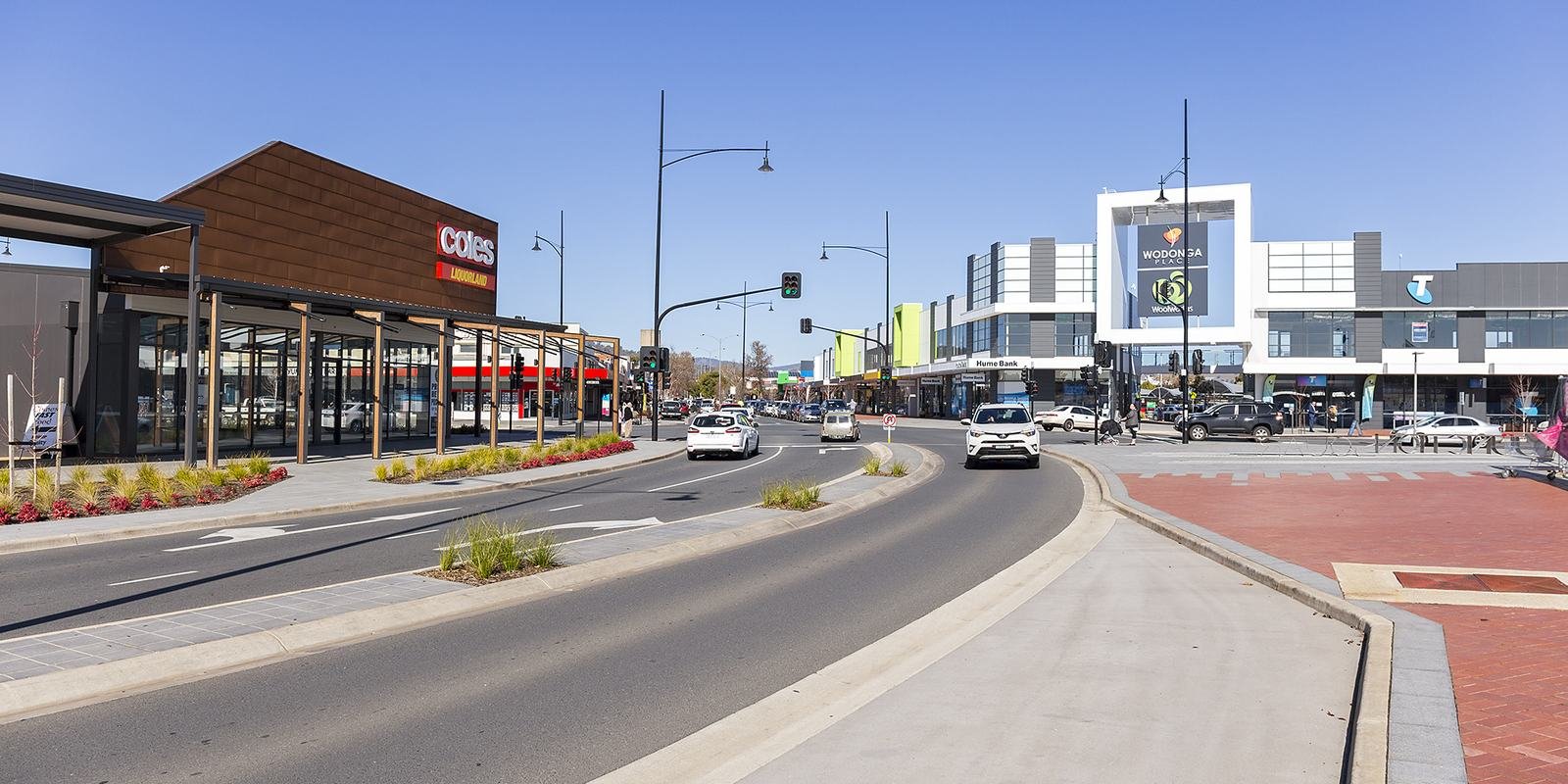
Featured image: High Street, Wodonga, where the roadmap was launched, photographed by Bidgee in August 2018. Licensed under CC BY-SA 3.0 AU via Wikimedia Commons, cropped to 2:1. The crop is shared under the same licence.