
RBA cash rate rises to 4.60%: what borrowers and buyers should know
 by Admin
 by Admin
Babylon Radio
Listen nowThe Reserve Bank of Australia raised the cash rate target by 0.25 percentage points to 4.60% on 29 September 2026. The new target took effect on 30 September. Variable mortgage and savings rates may change, but each lender decides whether to pass on the increase and by how much.
The decision matters to international residents with Australian loans, people buying property and families planning a move. It changes the benchmark that influences borrowing and deposit rates, but it does not automatically add 0.25 percentage points to every customer account.
What did the Reserve Bank of Australia change?
The RBA increased the cash rate target from 4.35% to 4.60%, a rise of 25 basis points. The cash rate is the interest rate on overnight loans between financial institutions. It has a strong influence on mortgage, business-loan and deposit rates across the economy.
The RBA said inflation remained elevated and recent inflation data were stronger than expected at its previous meeting. It also pointed to domestic capacity pressures, stronger-than-expected output growth and higher global energy prices.
The central bank noted that housing prices had fallen in most capital cities and that new housing loans had declined noticeably. Those observations describe the national picture. They do not predict the price of a particular property or suburb.
Will variable mortgage repayments rise?
They may, but the RBA does not set retail mortgage rates. Banks and other lenders decide whether to change their variable rates, when the change starts and how much of the cash-rate movement to pass on.
Australia’s Moneysmart service says changes to the cash rate can influence variable home-loan rates. If a lender raises your rate, your repayment may increase. The exact effect depends on your outstanding balance, remaining term, repayment type and the rate set by your lender.
Check the notice from your lender before changing a budget or repayment. A lender announcement applying to new customers may not be identical to the change on an existing loan.
What happens to fixed-rate home loans?
A fixed home-loan rate normally remains unchanged during the agreed fixed period. When that period ends, the loan will usually move to the lender’s variable revert rate unless the borrower agrees another arrangement or switches loans.
Borrowers approaching the end of a fixed period should check the revert rate and estimated repayment directly with the lender. Moneysmart recommends testing more than one interest-rate scenario when working out whether repayments remain affordable.
Could savings rates increase?
Deposit rates can also respond to a cash-rate change, but the relationship is less direct. The RBA says banks have discretion over deposit rates and may adjust different products at different times. Transaction accounts, at-call savings accounts and term deposits can therefore move differently.
Savers should compare the actual advertised rate, bonus conditions, withdrawal rules and the date any change takes effect rather than assuming every account will receive the full 0.25-point increase.
What should property buyers and new arrivals check?
- Ask the lender or mortgage broker which rate applies to the specific product.
- Use the updated rate when testing repayments and borrowing costs.
- Check whether a quoted rate is fixed, variable, introductory or available only to new customers.
- Compare the comparison rate and fees, not only the headline interest rate.
- Allow for further rate changes instead of treating 4.60% as a permanent level.
The RBA’s next monetary-policy meeting is scheduled for 2 to 3 November 2026. That is a meeting date, not a promise that rates will change again.
What if repayments are becoming difficult?
Moneysmart advises borrowers who are struggling to contact their lender and ask about financial-hardship assistance. Possible arrangements depend on the lender and the borrower’s circumstances. Help is easier to discuss before missed repayments accumulate.
Official information
- RBA monetary-policy decision, 29 September 2026
- RBA cash-rate history and effective dates
- Moneysmart guidance on fixed and variable rates
- Moneysmart mortgage-hardship guidance
Information last verified on 2 October 2026. This article provides general information, not personal financial advice.
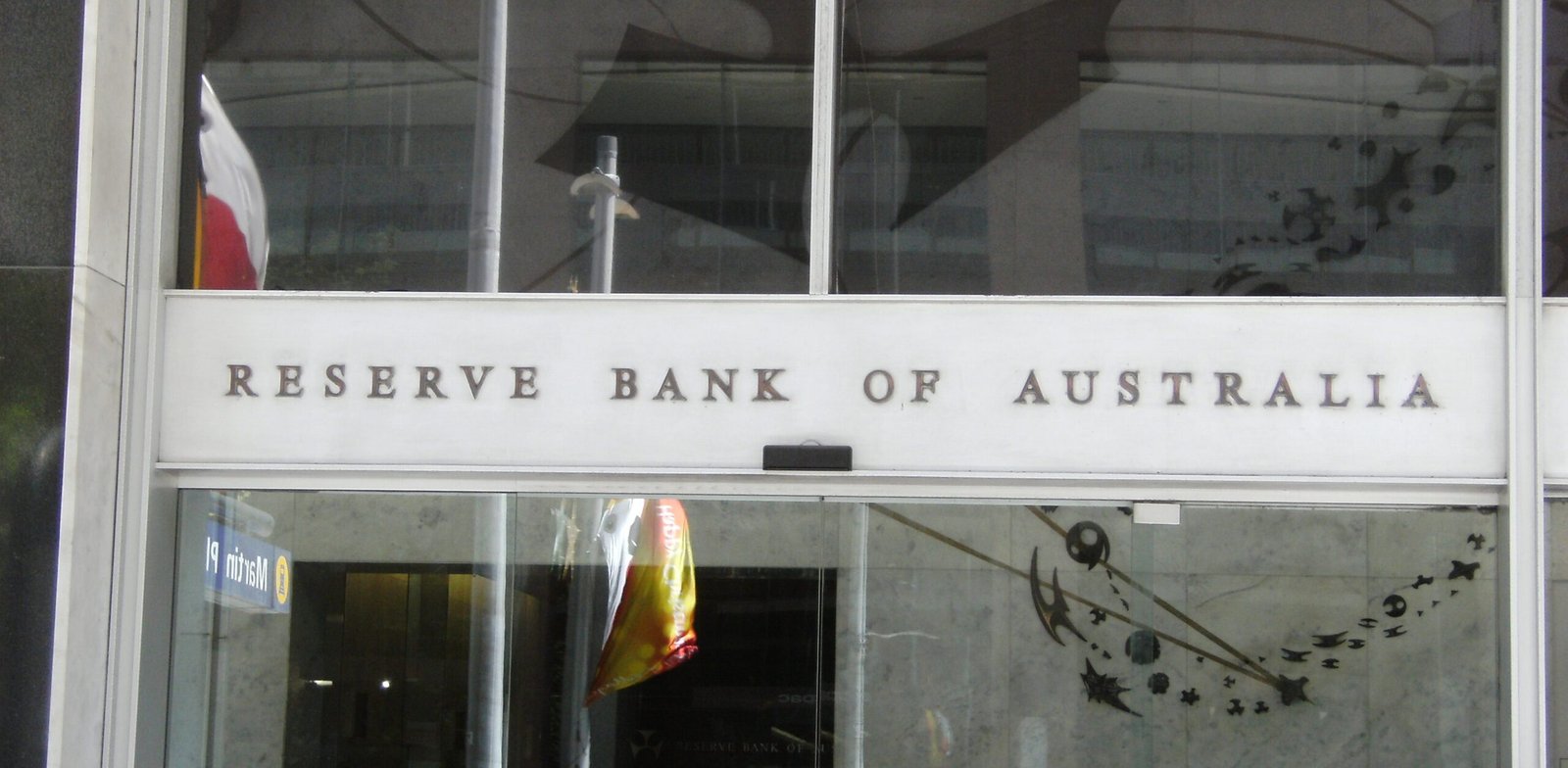
Image: Reserve Bank of Australia entrance at 65 Martin Place, Sydney, photographed by Danausi in November 2008. Public-domain image via Wikimedia Commons. WordPress may resize or crop the photograph.