
Beethoven’s Pastoral brings a musical countryside to Melbourne
 by
Babylon Radio
Listen nowBeethoven’s countryside is coming to the middle of Melbourne. On Saturday 21 and Monday 23 November 2026, the Australian Chamber Orchestra brings Beethoven’s Pastoral to Melbourne Recital Centre, with both performances starting at 7:30pm. For newcomers to the city or the concert hall, the programme offers three different ways into the same composer: theatrical drama, a conversation between soloists and a symphony shaped around encounters with nature.
A musical walk beyond the city
The Sixth Symphony is the evening’s destination, but its title need not suggest a sleepy landscape. Beethoven-Haus Bonn’s account of the work traces a sequence of five movements: arrival in the countryside, a scene beside a brook, a gathering of country people, a storm and a thankful shepherds’ song afterwards. That sequence gives a first-time listener a useful outline without requiring any knowledge of musical notation.
Most of the symphony was composed in 1808, and its first performance took place that December at Vienna’s Theater an der Wien. More than two centuries later, its changing situations remain an approachable starting point. You can follow the story, or simply notice how your attention shifts as the atmosphere changes. There is no need to identify every bird or imagine exactly the landscape that another listener sees.
Three soloists sharing the spotlight
Before the symphony, Richard Tognetti takes the violin part in Beethoven’s Triple Concerto alongside cellist Timo-Veikko Valve and pianist Konstantin Shamray. The combination puts three distinct instruments in the foreground. It is an invitation to watch how musical attention passes between players, rather than following only one star at the front of the orchestra.
Valve brings a long connection with the ensemble. His official biography records his appointment as Principal Cello in 2006, following studies at Helsinki’s Sibelius Academy and Stockholm’s Edsberg Music Institute. He works with both modern and period instruments and also directs while playing the cello. The ACO’s current concert programme explicitly marks his twenty years with the orchestra, giving this performance a personal anniversary within the season finale.
Drama before the calm
The concert opens with the Coriolan Overture. The ACO programme connects its troubled atmosphere with the Roman general at the heart of Heinrich Joseph von Collin’s play. This is a different dramatic world from the countryside of the Sixth Symphony: conflict and anxiety rather than an uncomplicated heroic entrance. The contrast is part of the appeal of hearing these works together.
The orchestra is also expanding its sound for this tour. The programme identifies guest musicians playing period wind and brass instruments, while Tognetti directs from the violin. For someone exploring orchestral music, that offers something concrete to notice: the relationship between the strings at the centre of the ensemble and the additional colours around them. The programme can help you follow those details, but it is equally reasonable to put it away and listen.
Choosing your Melbourne evening
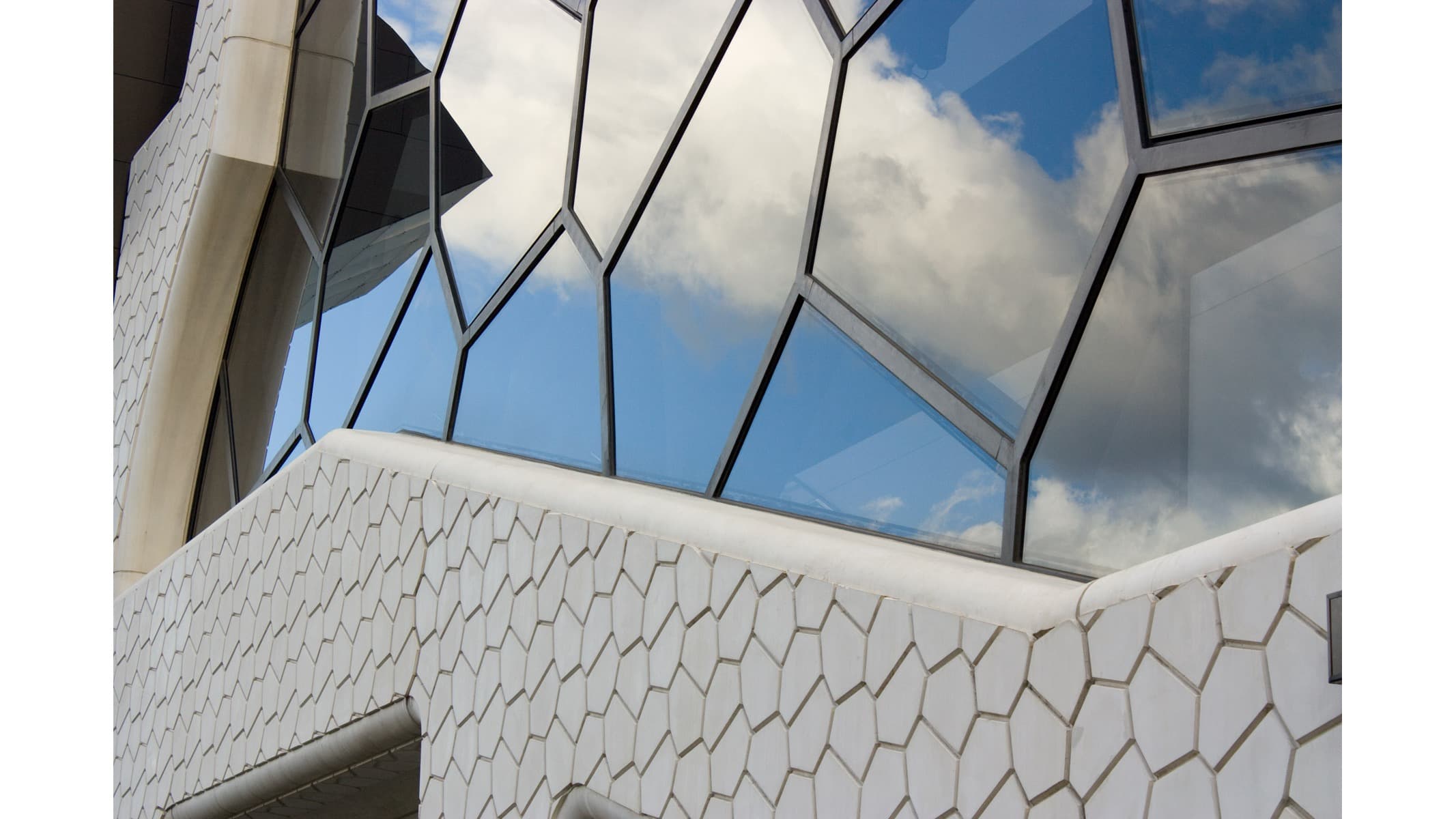
The venue’s listing places these concerts in Elisabeth Murdoch Hall at 31 Sturt Street, Southbank. Advertised standard prices run from A$69 in D Reserve to A$199 Premium. Full-time students are listed at A$30 and under-35s at A$35 in B to D Reserve. Check eligibility, remaining seats and the final booking total rather than assuming every price category is still available.
For purchases through the Recital Centre, its published fees include an A$7 online transaction charge; delivery charges depend on the method chosen. Digital tickets are free to deliver. Booking through another seller may involve different charges.
Allow roughly two hours, including an interval. The ACO lists pre-concert talks at 6:45pm on both dates, a useful option if you would like an introduction before the music begins. Choose the evening that suits you, arrive with curiosity and let the programme lead you from the city into Beethoven’s changing landscape.
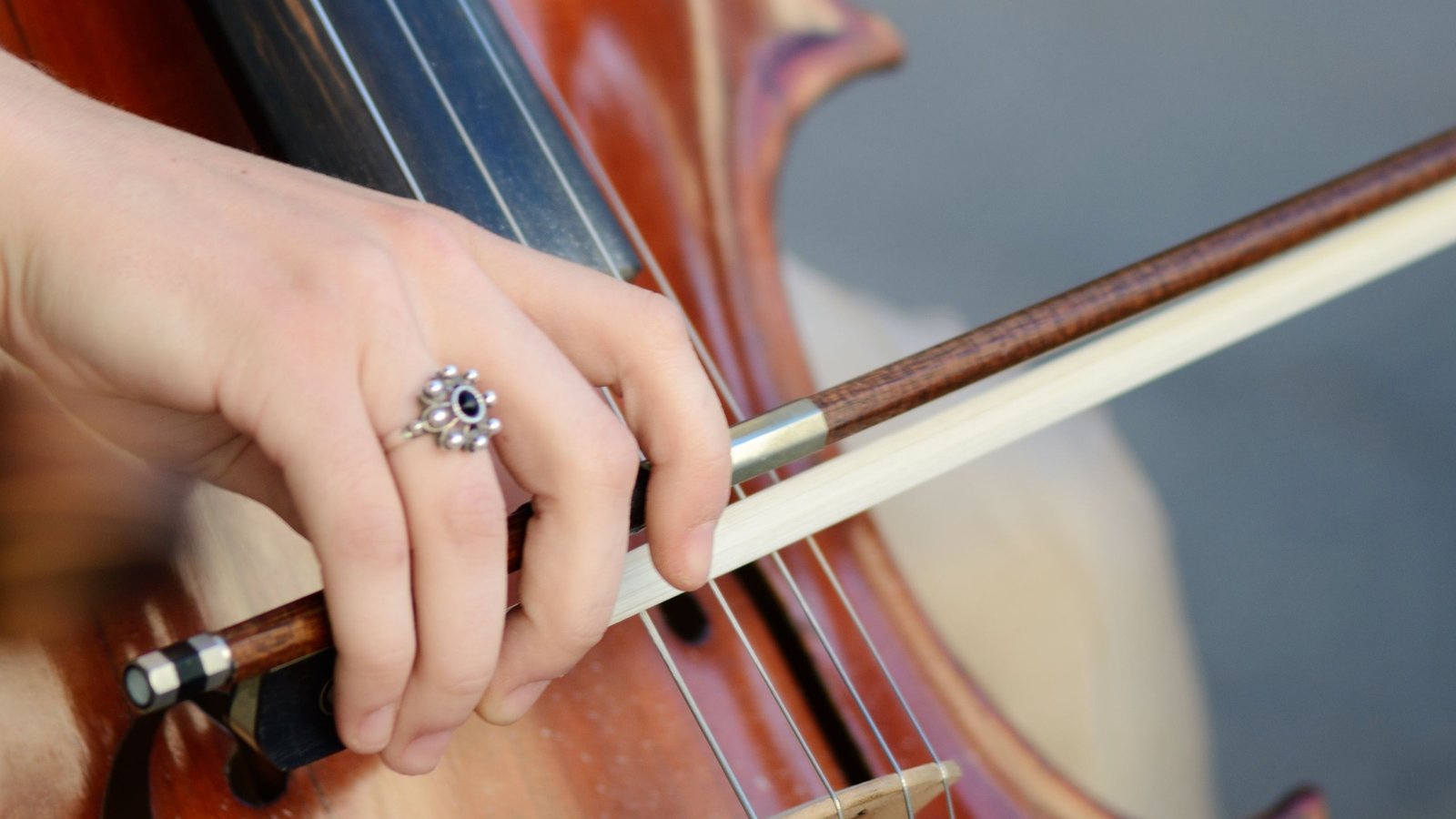
The cello photograph is illustrative, not a photograph of the ACO or Timo-Veikko Valve. Melbourne Recital Centre exterior detail (2010): Rexness / Wikimedia Commons, CC BY-SA 2.0, with white side borders added to fit the page layout.